
Beginner Yoga: A Gentle Introduction to the Practice
For beginners, yoga can sometimes seem intimidating, especially when seeing advanced postures online. In reality, yoga is not about perfection or flexibility — it is about learning to connect movement, breath and awareness in a way that feels supportive and sustainable.
Our Hatha yoga class is ideal for beginners as it focuses on simple postures, gentle movement and mindful breathing. It provides a safe and welcoming starting point for anyone interested in improving flexibility, strength, posture and relaxation.
What to Expect
Our Hatha yoga class is slower paced and teachers will guide students carefully through each posture and often provide modifications for different bodies.
Most classes include:
Gentle warm-up movements
Basic standing and seated postures
Breathing exercises
Light stretching
Relaxation at the end of class
The atmosphere is generally calm and non-competitive, allowing students to move at their own pace.
The Importance of Breath
Breathing is one of the foundations of yoga. In beginner practice, students learn to breathe slowly and deeply while moving through postures. This helps calm the nervous system and encourages focus and mindfulness.
Many beginners are surprised to discover that yoga is as much about mental relaxation as physical movement.
Common Beginner Yoga Asanas
Our Hatha yoga classes introduces foundational postures, known as asanas, that help build strength, flexibility and body awareness.
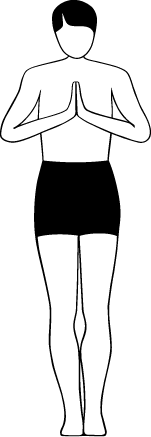
Mountain Pose (Tadasana)
A simple standing posture that improves posture, grounding and balance.
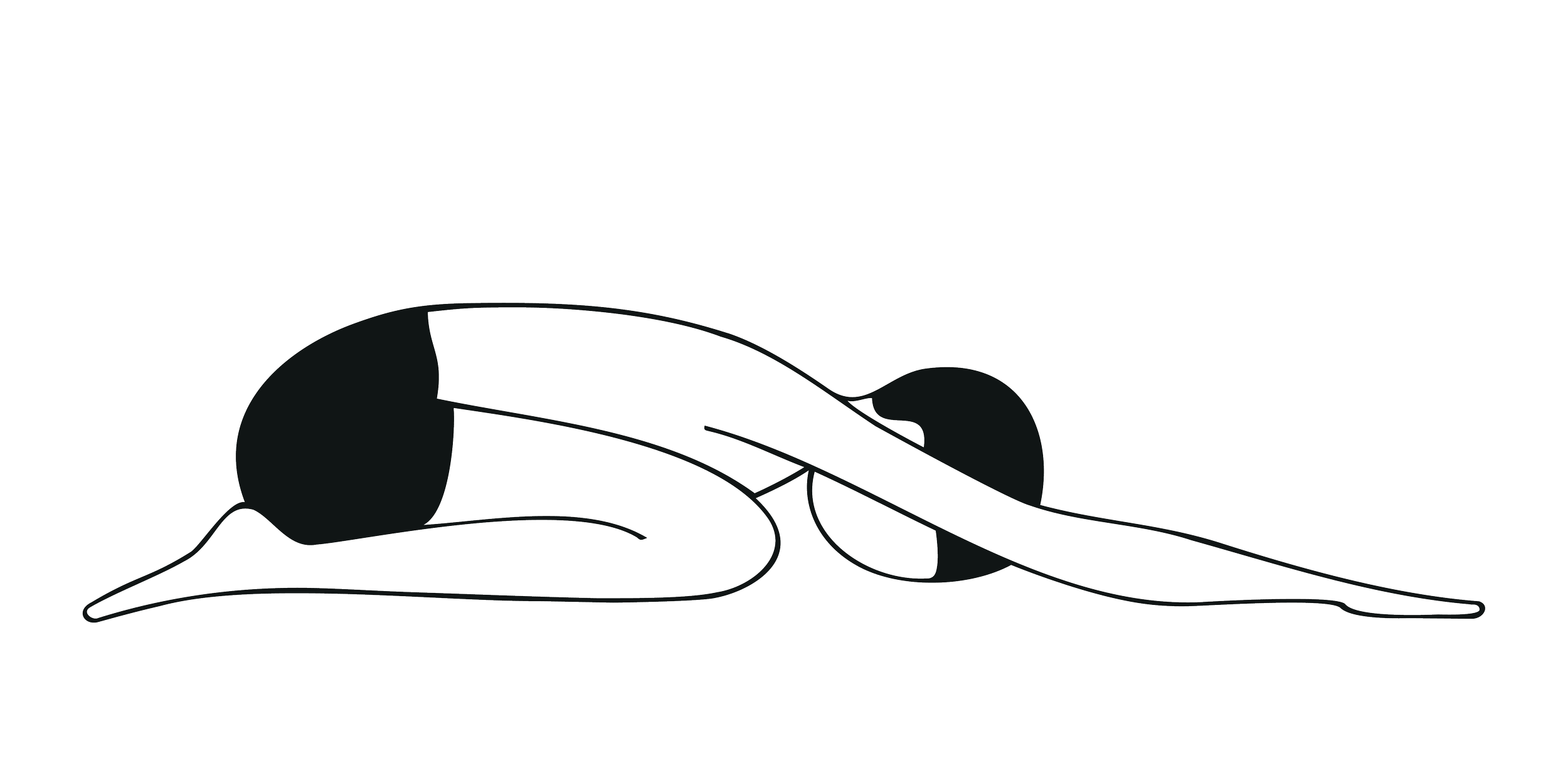
Child’s Pose (Balasana)
A gentle resting pose that stretches the back and hips while encouraging relaxation.
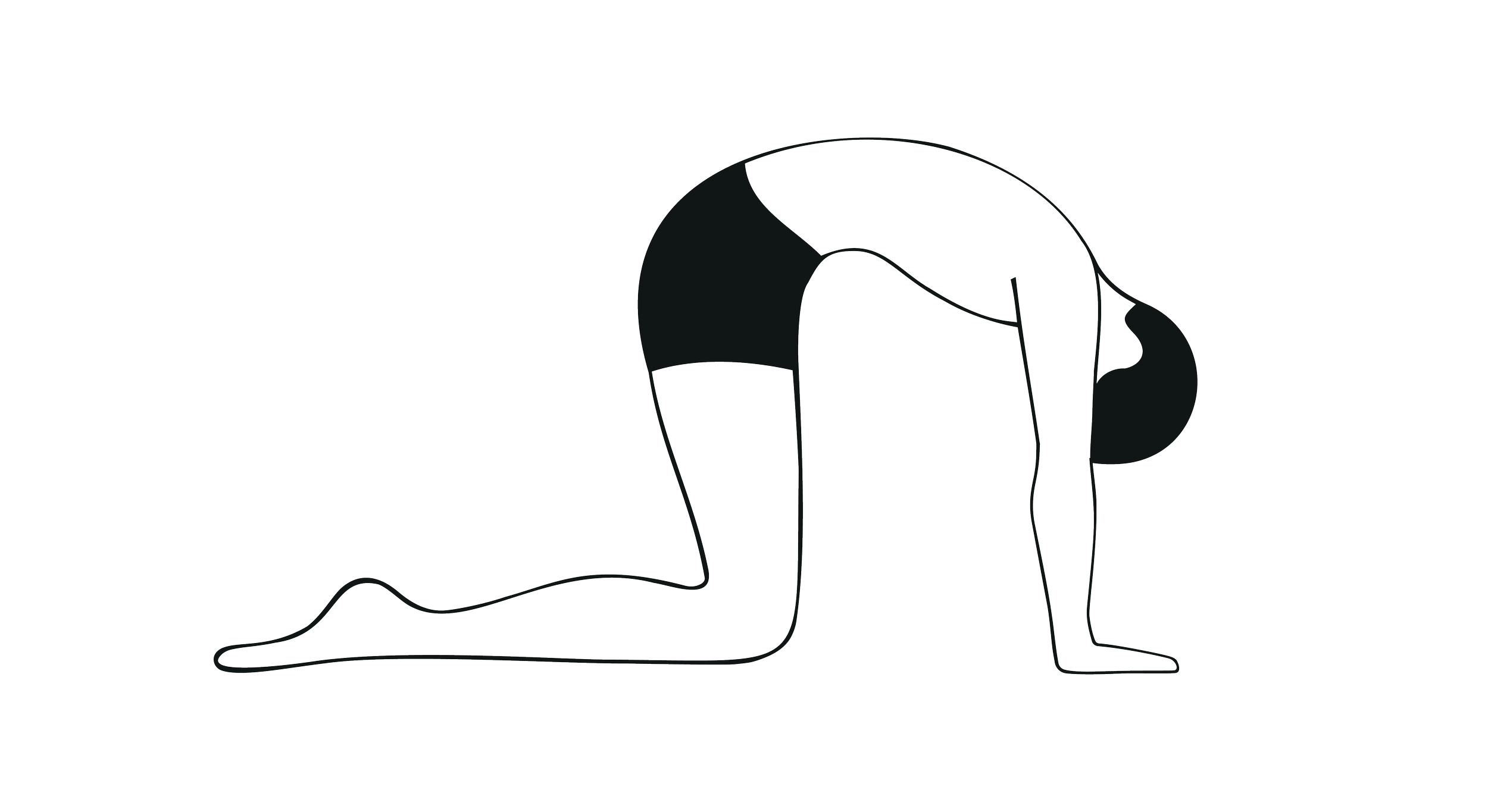
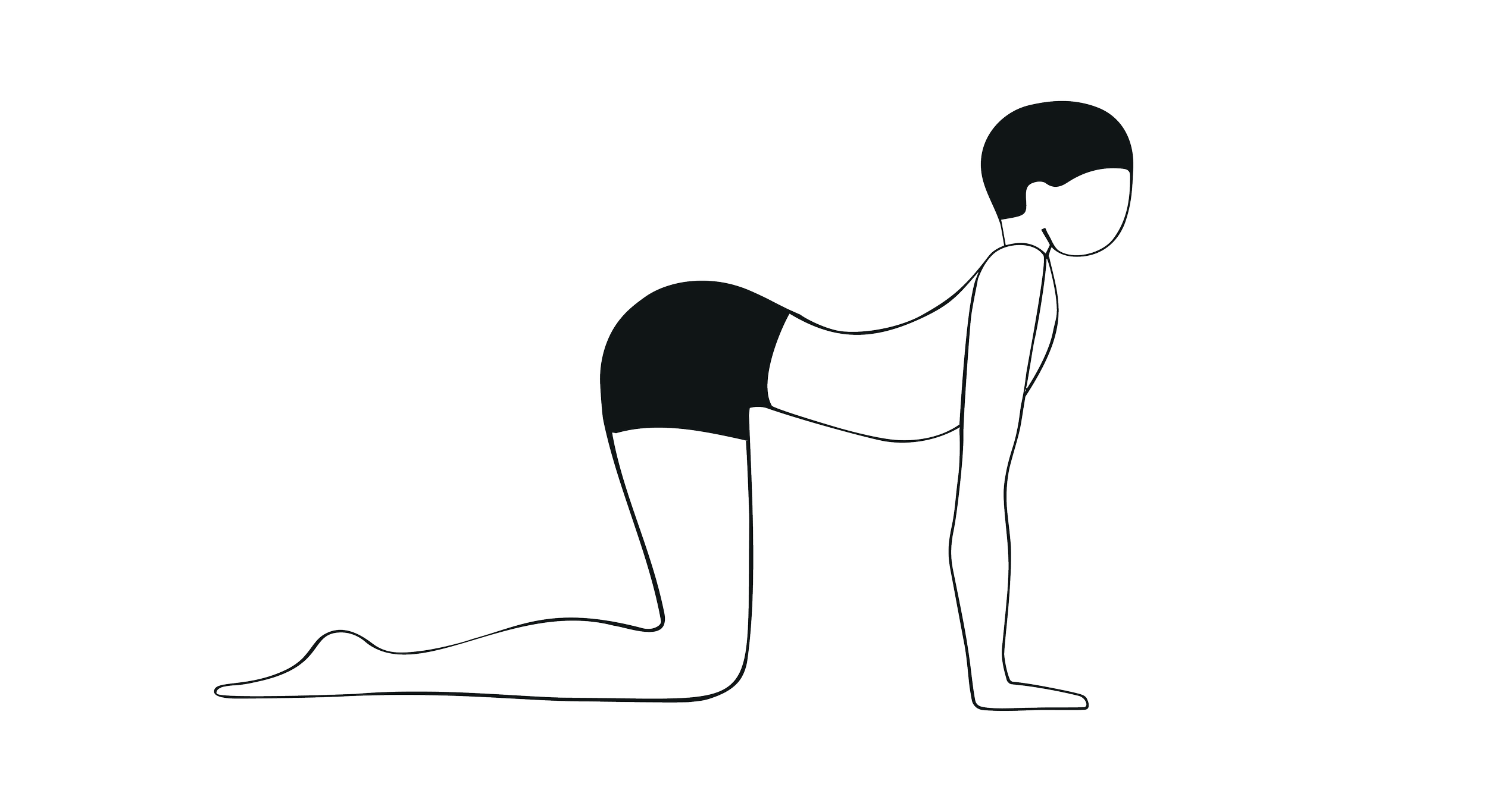
Cat-Cow Stretch (Bitilasana Marjaryasana)
A flowing spinal movement that improves mobility and helps warm up the body.
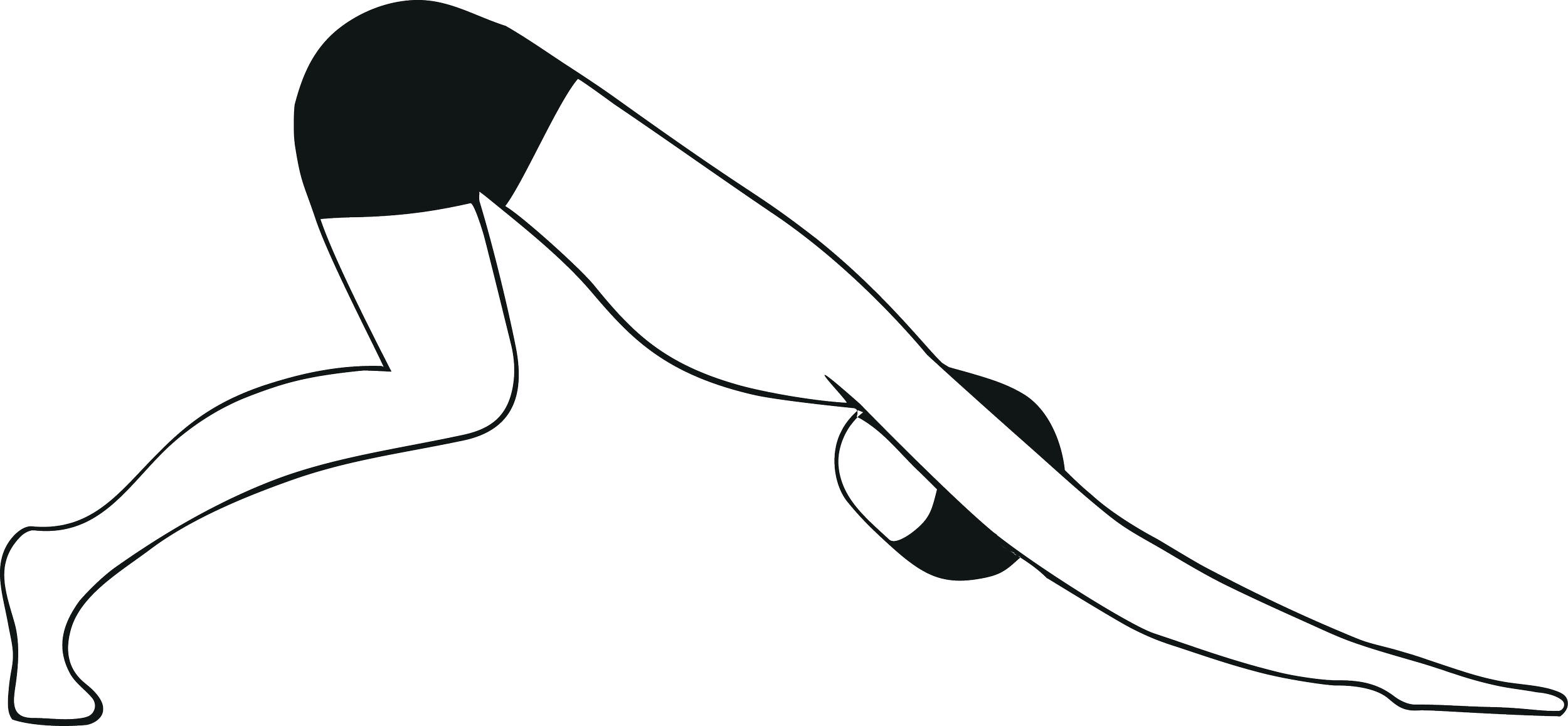
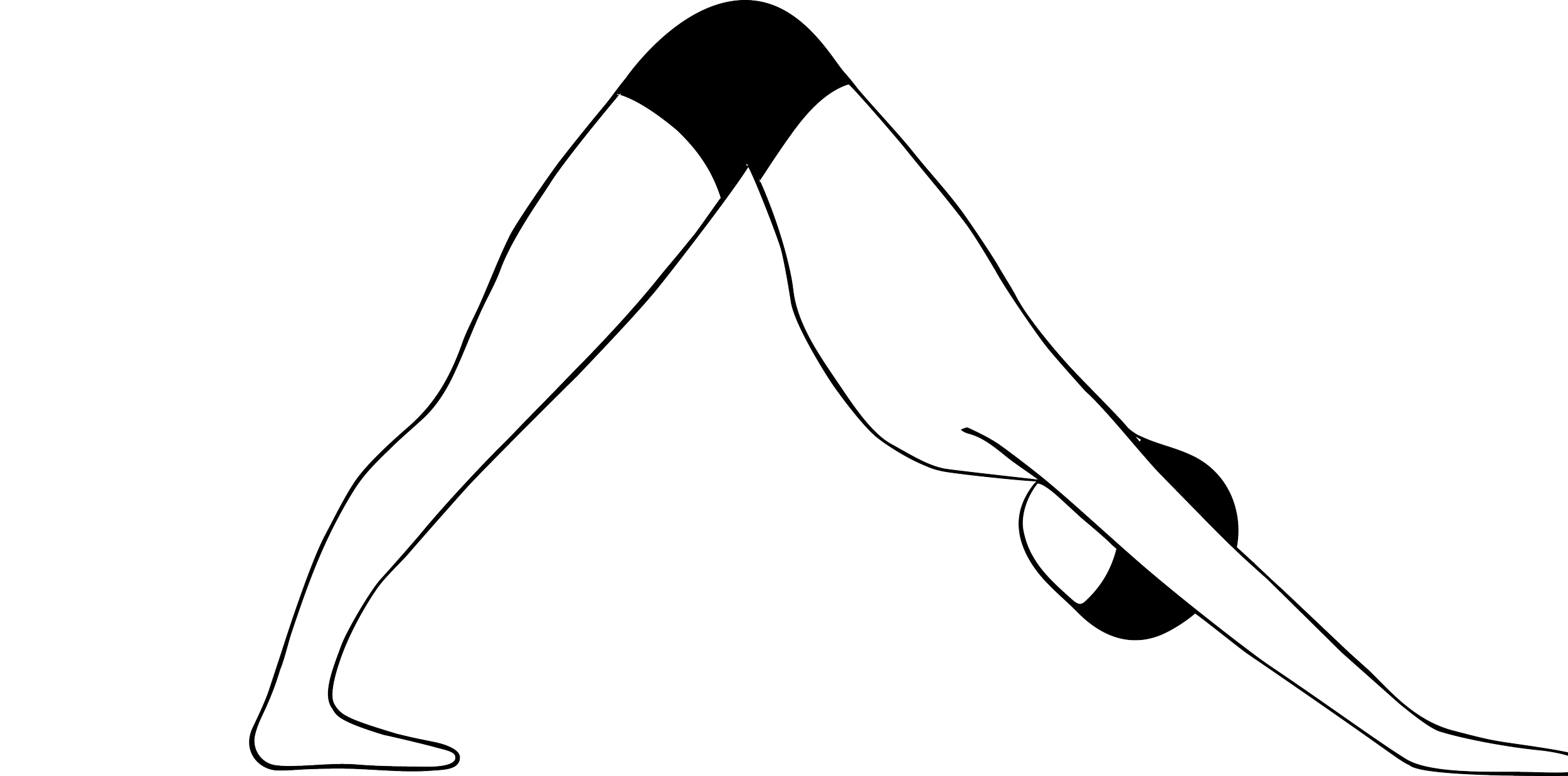
Downward Facing Dog (Adho Mukha Svanasana)
A classic yoga pose that stretches the hamstrings, shoulders and spine while building strength.
Cobra Pose (Bhujangasana)
A gentle backbend that opens the chest and strengthens the lower back.

Warrior I and Warrior II (Virabhadrasana)
Standing postures that develop leg strength, stability and focus.


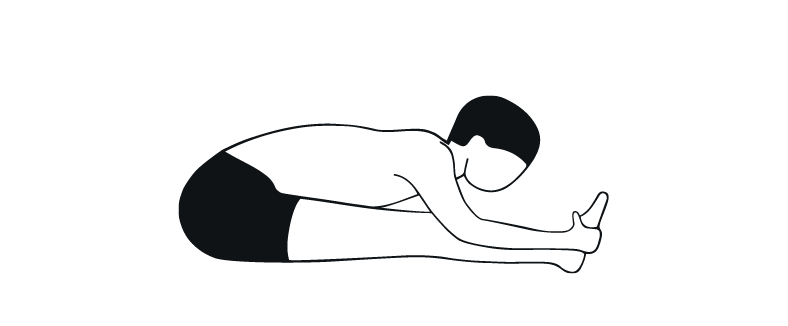
Seated Forward Fold (Pashchimottanasana)
A calming stretch for the hamstrings and lower back.

Tree Pose (Vrksasana)
A balancing posture that improves concentration and coordination.

Savasana
Usually practised at the end of class, Savasana allows the body and mind to fully relax.

Benefits of Yoga
With regular practice, yoga may help improve:
Flexibility
Strength and posture
Balance and coordination
Stress management
Sleep quality
Energy levels
Mental focus
Many people also find that yoga creates a greater sense of calm and emotional wellbeing.
Do You Need to Be Flexible to Start Yoga?
No. Flexibility is not a requirement for yoga — it is something that develops gradually over time. Yoga is designed for people of all body types, ages and fitness levels.
The goal is not to force the body into difficult shapes, but to move mindfully and comfortably while building awareness and confidence.
Tips for Starting Yoga
Start Slowly
Choose beginner-friendly classes and allow yourself time to learn the basics.
Focus on Breathing
Steady breathing helps relax the body and improve concentration.
Use Props if Needed
Blocks, cushions and straps can make poses more accessible and comfortable.
Listen to Your Body
Yoga should never feel painful. Rest whenever necessary.
Be Consistent
Even practising for 10–15 minutes a few times a week can make a noticeable difference.
Final Thoughts
Beginner yoga is an opportunity to slow down, reconnect with the body and develop healthier movement patterns. With patience and regular practice, yoga can become a valuable tool for both physical wellbeing and mental balance.
The most important step is simply beginning. Yoga is not about achieving perfection — it is about creating space for growth, awareness and self-care.
